

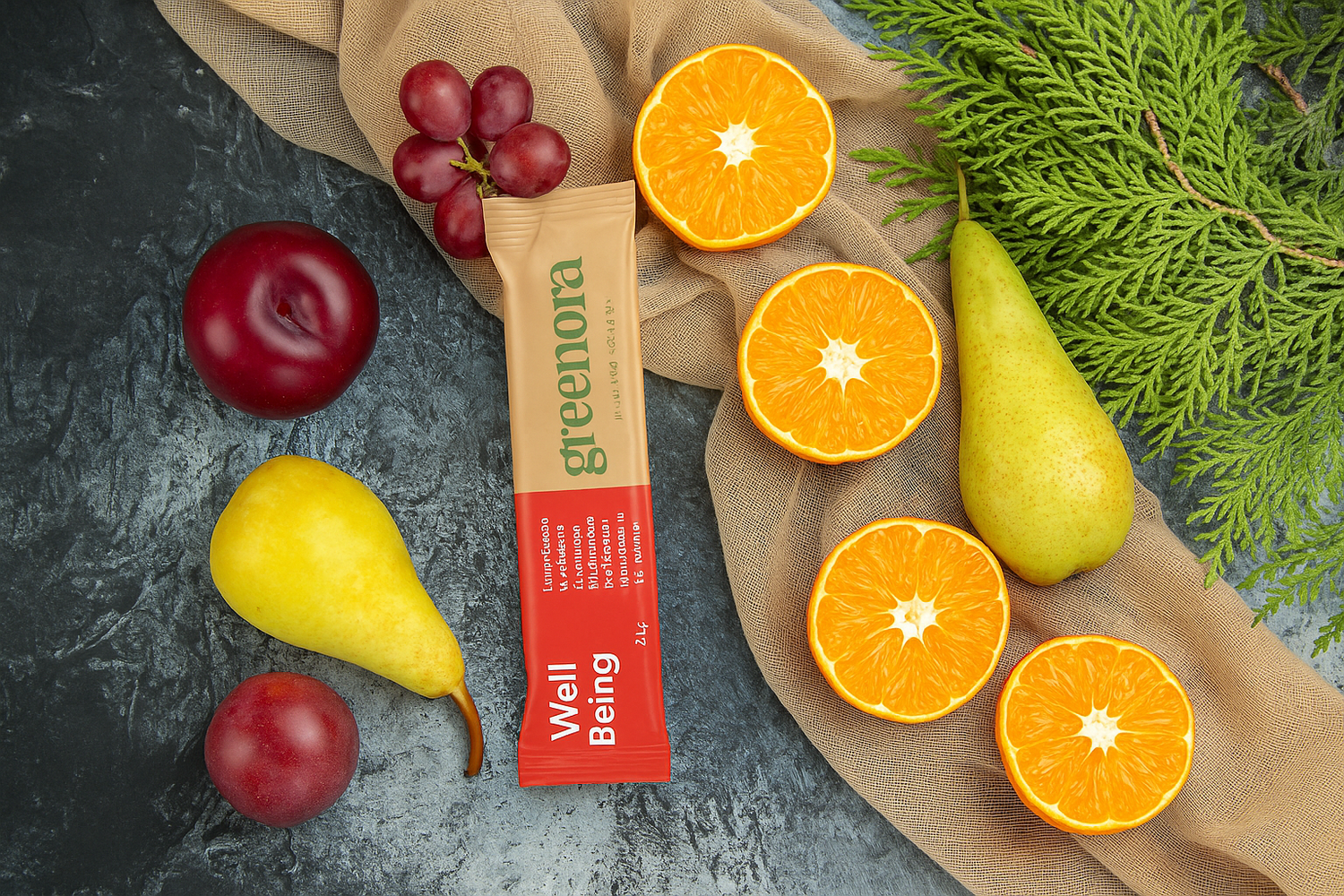
With the arrival of winter, boosting our immune system becomes a priority to avoid colds and feel energetic. A natural and delicious way to do this is with fruits with vitamin C, an essential vitamin to keep defences strong and overall well-being. In this article, we tell you everything you need to know about these fruits, as well as giving you practical ideas to enjoy them during the coldest season, including the handy freeze-dried fruit sticks from Greenora.
What vitamin C is and why it is key in winter
Vitamin C, also known as ascorbic acid, is a water-soluble vitamin essential for multiple processes in our body. In winter, when low temperatures and viruses circulate more intensely, its role becomes even more crucial for maintaining health.
Main functions of vitamin C in the body
- Strengthens the immune system: helps to bolster defences against infections and colds.
- Natural antioxidant: protects cells from damage caused by free radicals.
- Promotes iron absorption: essential to prevent anaemia and maintain energy.
- Contributes to collagen formation: necessary for healthy skin, bones, and connective tissues.
- Helps healing and recovery: speeds up tissue repair after wounds or injuries.
Therefore, maintaining an adequate intake of vitamin C is fundamental to feeling well and preventing typical illnesses of the cold season.
Fruits with vitamin C that cannot be missing
When we think of fruits rich in vitamin C, citrus fruits usually come to mind first. However, there is a variety of delicious and nutritious options that we can incorporate into our daily diet to obtain this powerful nutrient.
Classic fruits: citrus and what we already know
Citrus fruits are foolproof when it comes to vitamin C, but each offers a unique profile and specific benefits.
The mandarin has vitamin C: benefits, when to eat it, tips
The mandarin is a sweet and easy-to-peel fruit perfect for the winter season. In fact, the mandarin has vitamin C in amounts that cover a large part of the recommended daily dose. Moreover, it is rich in antioxidants and fibre, which helps improve digestion and protect the heart.
To make the most of it, eat it fresh at breakfast or as a snack between meals. You can also add mandarin slices to salads or prepare a smoothie with freeze-dried fruit sticks that include citrus flavours, such as Greenora Well Being, which combines apple, peach, and strawberry, fruits very rich in vitamin C.
Why is the orange still a winter staple?
The orange is probably the fruit most associated with vitamin C and it is no coincidence. Its content is high and its refreshing flavour makes it a perfect ally to boost defences. Furthermore, it provides fibre, folic acid, and antioxidants that support cardiovascular health.
Including natural orange juice or combinations with milk or plant-based drinks and freeze-dried fruit can be a practical and quick way to take this vitamin cold without wasting time. Additionally, the pulp provides fibre and helps you feel full.
Fruits beyond citrus
Although citrus fruits are the stars in vitamin C, other fruits surprise with their contribution and flavour, adding variety and colour to the diet.
Mango vitamin C
Mango is not just an exotic and sweet fruit; it is also a source of vitamin C and even more of it than some citrus fruits. Additionally, it contains vitamin A and fibre, which help care for the skin and digestive system.
To enjoy it, the sticks of Greenora Immune and Green Boost have a high percentage of mango, perfect for preparing smoothies full of flavour and vitamins with no added sugars. Just mix with water or milk and you will have an ideal nutritional boost for winter.
Other less obvious but very interesting fruits
Besides mango, fruits such as strawberry, kiwi, and pineapple, widely present in Greenora sticks, add vitamin C and antioxidants. For example, Well Being blends strawberry, apple, and peach, providing multiple nutrients for your daily wellbeing. Trying different combinations helps keep the diet varied and appealing.
What about seasonal fruits like plum, pomegranate or pear? Do they have vitamin C?
During winter, we can also take advantage of seasonal fruits which, although not so well known for their vitamin C content, can provide interesting benefits and complement our menu.
Plum vitamin C: reality vs myth
Plum is valuable for its fibre, potassium, and antioxidant content, but in terms of vitamin C it has a more modest contribution compared to citrus fruits or mango. That does not mean it has no value: its consumption helps improve intestinal transit and provides phytonutrients that protect health. For an extra dose of vitamin C, combine it in smoothies with freeze-dried fruit sticks such as those from Greenora.
Pomegranate vitamin C: winter diet
Pomegranate is another seasonal fruit that surprises with its antioxidant content and moderate amount of vitamin C. It is an excellent option to add colour and variety to your diet, as well as promoting cardiovascular health and the immune system.
To make the most of it, include it in salads, yoghurts or accompanied by a smoothie made with freeze-dried sticks such as Greenora Fit, ideal for energy and antioxidants.
What about the pear? Pear vitamin C?
Pear is a soft fruit, rich in fibre and antioxidants, but with a lower vitamin C content. Nevertheless, it is an interesting option to include in the winter diet due to its minerals and water content. Combine it with other fruits rich in vitamin C or in sticks like Well Being to maintain the nutritional intake you need.
How to make the most of fruits with vitamin C in winter
Incorporating these fruits into your daily routine in a practical way can make a difference in staying healthy and energetic during winter. Your allies will be easy recipes and products like those from Greenora, with 100% natural fruit, no added sugars, and rich in fibre and vitamins.
Recipe ideas: smoothies, mixes with milk or water
Looking for quick and nutritious recipes? Here are some ideas to enjoy vitamin C anytime:
- Revitalising mango and pineapple smoothie: mix a stick of Greenora Immune with 200 ml of cold water or plant milk. You will get a sweet smoothie, with a vitamin C boost perfect for cold mornings.
- Citrus smoothie with mandarin and peach: combine a stick of Well Being with milk or water, add some fresh mandarin slices and a bit of ginger for extra flavour and energy.
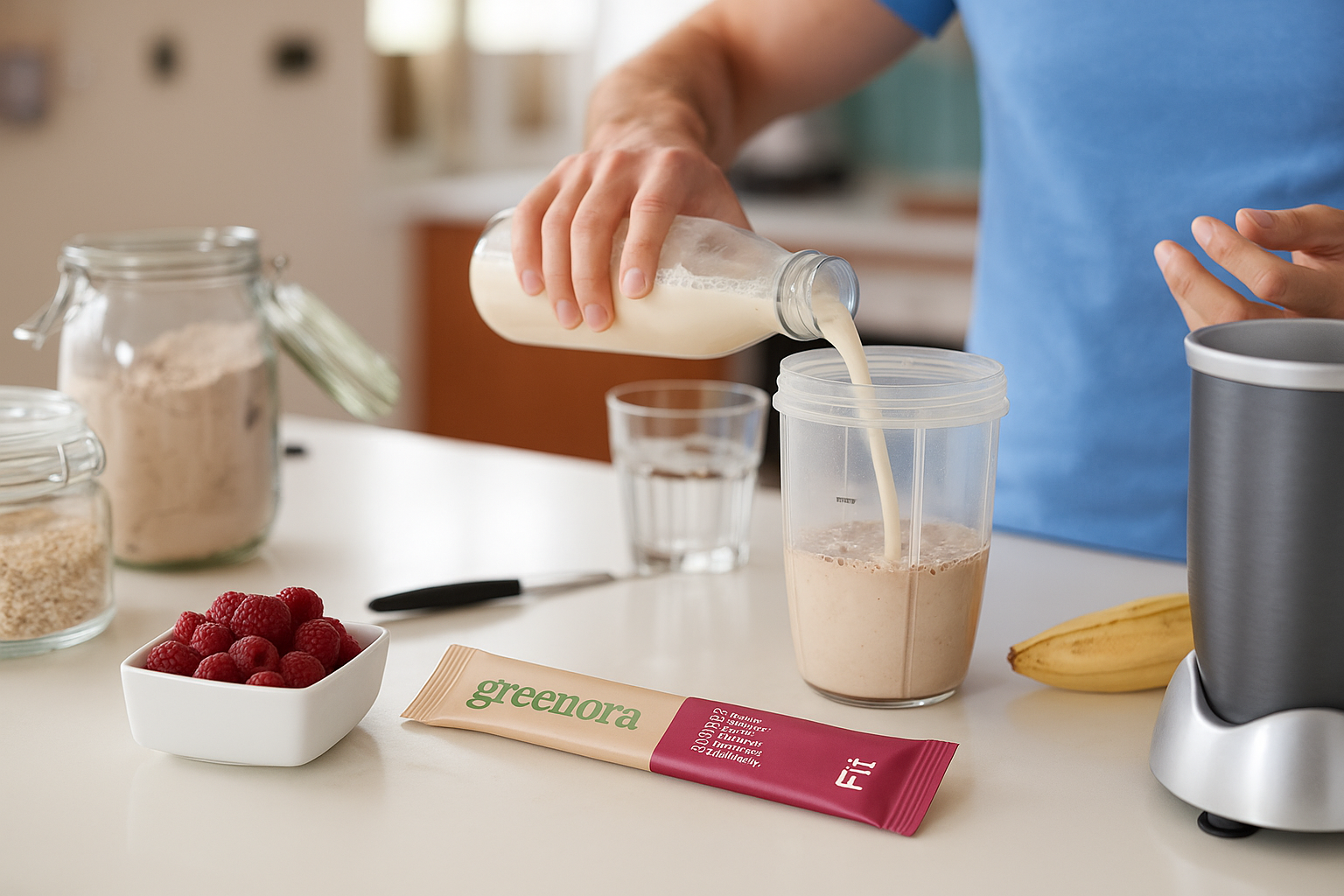
- Antioxidant smoothie with red fruits: use a stick of Greenora Fit with banana and forest fruits for a snack rich in antioxidants and fibre.
- Mix Box for daily variety: if you find it hard to decide which flavour you prefer, the Mix Box offers single-dose sticks of Well Being, Fit and Immune so you can change and enjoy their benefits daily.
Additionally, freeze-dried fruit sticks are perfect to carry with you and prepare your smoothies in seconds, whether you are at home or out, ensuring a constant supply of vitamin C and antioxidants.
Fruits with vitamin C are a fundamental natural resource to face winter with health and energy. From classic citrus fruits, like mandarin and orange, to less common options such as mango, pomegranate or plum, all provide specific benefits and can be easily integrated into your daily diet. Taking advantage of Greenora’s freeze-dried fruit sticks lets you prepare quick, healthy, and flavourful smoothies to care for your body without fuss. Remember that the key is variety and enjoying these foods in a practical, natural and delicious way, so the cold does not bring down your defences or your spirits.


Leave a comment
This site is protected by hCaptcha and the hCaptcha Privacy Policy and Terms of Service apply.